Guide to Finding Nothing Else Matters Piano Sheet Music PDF
Finding the perfect digital score requires knowing where to look. This comprehensive manual explores various resources‚ ensuring musicians secure accurate notations to master this legendary rock masterpiece on their favorite ivory keys right now.
This iconic power ballad stands as a testament to versatility within the heavy metal genre. Originally penned by James Hetfield‚ the piece deviates from the band’s typical aggressive sonic landscape‚ offering instead a poignant‚ intimate exploration of trust and devotion. Its sweeping melodies and melancholic undertones create an atmosphere of raw vulnerability‚ making it a favorite for musicians across all stylistic backgrounds. While primarily known as a guitar-driven anthem‚ the composition’s inherent emotional depth translates beautifully to other instruments. The piece captures a universal feeling of isolation and connection‚ blending a slow‚ deliberate pace with a powerful crescendo that evokes a sense of liberation. Since its release‚ it has evolved from a personal expression into a global phenomenon‚ celebrated for its timeless quality and sophisticated structure. By focusing on melodic storytelling rather than sheer speed‚ the song invites listeners into a reflective space. It remains a cornerstone of the band’s discography‚ proving that strength often lies in softness and that true artistry transcends the boundaries of a single‚ specific musical category.
Why Choose Piano for this Ballad?
The piano offers a unique sonic palette that transforms this rock classic into a sophisticated auditory experience. While the original relies on the sustain of electric strings‚ the piano provides a richer harmonic foundation and a percussive clarity that highlights the song’s inherent sadness. This versatile instrument allows a single dedicated performer to embody both the singer’s emotional delivery and the accompanying instrumentation‚ creating a truly self-sufficient musical narrative. The transition to keys brings a refined classical elegance to the arrangement‚ emphasizing the melodic contours and the rhythmic ebb and flow. Furthermore‚ the piano’s wide dynamic range enables the musician to shift seamlessly from a delicate‚ whisper-like opening to a thunderous‚ passionate climax. This versatility ensures that the essence of the ballad is preserved while adding a layer of intimacy that only the piano can provide. By choosing this instrument‚ players can explore the song’s internal architecture through lush chords and singing melodies‚ bridging the gap between heavy metal energy and the timeless grace of a royal concert hall performance today.
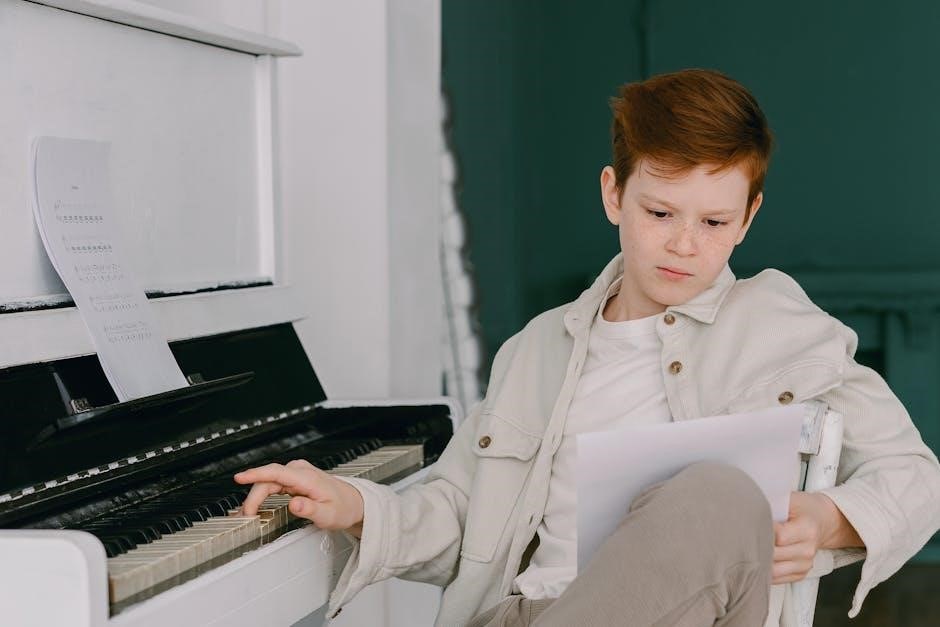
Types of Sheet Music Arrangements
Selecting the right version is crucial for your success. Various adaptations exist to suit different musical needs and performance goals‚ ensuring every single pianist finds a version that fits their current technical ability now.
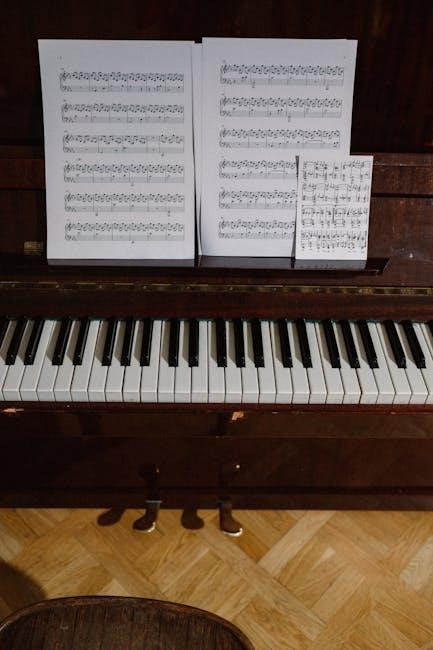
Easy Piano Versions for Beginners
Beginners often feel overwhelmed by complex scores‚ but simplified arrangements make learning accessible. These versions prioritize a basic melody in the right hand while the left hand provides simple root notes or basic triads. By stripping away the intricate flourishes‚ new students can focus on the primary tune without getting lost in dense notation. Most of these digital files utilize a larger font and clear layouts to reduce visual strain. They often omit the difficult polyphonic textures found in professional prints‚ ensuring a smoother learning curve for those who have just started their musical journey. These adaptations allow a player to feel the emotional weight of the piece without requiring years of formal training. Instead of complex fingerings‚ these scores offer intuitive placements that encourage confidence; Using these elementary guides is the best way to build a foundation before attempting more difficult variations. By mastering the core structure first‚ students gain the necessary skills to eventually tackle more challenging arrangements in the future while enjoying the process today and always now.
Intermediate Arrangements for Developing Players
Intermediate arrangements serve as a vital bridge for pianists who have moved beyond the basics but aren’t quite ready for concert-level difficulty. These scores introduce more sophisticated harmonic structures‚ moving away from simple root notes toward rich chords and subtle inversions. Players will find that the right hand incorporates more grace notes and slight variations to better mimic the original vocal phrasing. Meanwhile‚ the left hand begins to explore more rhythmic independence‚ incorporating broken chords and subtle bass movements that add depth to the overall sound. These PDF versions often balance readability with musicality‚ offering a more authentic representation of the song’s emotional arc. By engaging with these mid-level scores‚ musicians develop better hand coordination and a deeper understanding of how to blend melody and harmony. The transition to these arrangements encourages a more nuanced approach to the keyboard‚ pushing the player to explore the full range of the instrument while maintaining a manageable level of technical challenge for a growing skill set today and forevermore in time for all now.
Advanced Concert Versions for Professionals
Professional scores transform the original piece into a virtuosic display of skill and artistry. These elite PDF arrangements often feature dense polyphonic textures‚ where multiple melodic lines intertwine to create a rich‚ orchestral atmosphere. The right hand is frequently tasked with complex fast runs and broad leaps that demand precise finger independence and strength. Simultaneously‚ the left hand executes expansive bass movements and intricate counterpoints that provide a powerful foundation for the composition’s dramatic peaks. Such arrangements prioritize a sophisticated harmonic language‚ utilizing extended chords and unexpected modulations to elevate the emotional impact of the performance. These versions are specifically tailored for seasoned pianists who seek to challenge their technical limits while delivering a captivating stage presence. Every page is meticulously crafted to maximize the sonic capabilities of the grand piano‚ turning a rock ballad into a concert masterpiece. Mastery of these professional notations requires an advanced understanding of musical theory and an unwavering commitment to rigorous practice to achieve the flawless execution required for public recitals across the whole globe.
Solo Piano vs. Piano and Vocal Accompaniment
Choosing between a solo piano arrangement and a vocal accompaniment PDF depends entirely on your intended performance goal. A solo piano version is a self-contained musical experience where the pianist must integrate the main vocal melody directly into the keyboard playing. This requires a delicate balance‚ ensuring the melody remains prominent while the supporting harmonies and bass lines provide depth. In contrast‚ piano and vocal accompaniment scores are designed for collaboration. In these versions‚ the piano part focuses on providing a rhythmic and harmonic foundation‚ leaving the melodic narrative to the singer. This separation allows the pianist to focus more on the accompaniment’s groove and texture rather than carrying the lead theme. For those who enjoy performing alone‚ the solo PDF is indispensable for creating a full sound. However‚ if you are pairing up with a vocalist‚ the accompaniment score is the superior choice to avoid sonic clutter. Both formats offer unique challenges and rewards‚ catering to different artistic visions of this timeless and deeply emotional rock ballad for every single player.
Where to Download PDF Sheet Music
Searching the web for a reliable electronic notation involves examining various available platforms. Securing a great file ensures that your physical copy is perfectly legible and prepared for your upcoming rehearsal session starting today.
Official Licensed Sheet Music Sources
Selecting authorized publishers is the most reliable way to acquire professional notations. These legal entities ensure that every note aligns perfectly with the original composer’s intent‚ providing a level of precision that unofficial versions often lack. When you purchase from a licensed vendor‚ you are directly supporting the artists and the industry that creates the music we love. These documents typically feature excellent layout and clear printing‚ making them ideal for serious students who demand accuracy. Most recognized retailers offer instant digital downloads‚ allowing you to print several copies for your home studio or carry a tablet to the piano. By choosing these legitimate avenues‚ you avoid the risks associated with incorrect transcriptions or poor formatting found elsewhere. These sources provide the gold standard for any musician seeking a definitive version of the piece. Investing in a licensed copy guarantees that the harmony‚ rhythm‚ and melodic lines are authentic‚ giving you total confidence during your performance. Always look for the official copyright marks to verify the authenticity of your purchase now.
Free Community-Driven PDF Platforms
Many musicians turn to community-driven websites to find scores without cost. These platforms rely on user contributions‚ where passionate fans transcribe songs by ear and share their work with the world. While these archives offer a wealth of options‚ the quality can vary significantly from one upload to another. You might find a brilliant transcription or one filled with errors. The beauty of these sites lies in the diversity of interpretations provided by fellow artists. Often‚ these platforms include comment sections where users discuss specific sections of the score‚ offering peer-to-peer advice on how to navigate tricky parts. Navigating these repositories requires a bit of patience and a critical ear to ensure the PDF you download is musically sound. Despite the lack of formal vetting‚ these portals democratize access to music for those who cannot afford expensive books. They foster a global community of learners sharing their passion. Always check the user ratings before downloading to save time and effort during your search for the most accurate free files found online.
Subscription-Based Digital Libraries
Subscription-based digital libraries offer a modern approach to acquiring music. By paying a recurring monthly or annual fee‚ pianists gain unlimited access to vast catalogs of high-quality scores. These services are ideal for those who learn many songs quickly and prefer a streamlined experience over individual purchases. One major advantage is the ability to transpose the music instantly to fit a specific range or preference‚ which is a feature rarely found in static PDFs. Furthermore‚ these libraries often provide integrated playback tools‚ allowing users to hear how the arrangement should sound while they read the notes. The legal nature of these subscriptions ensures that songwriters receive their royalties‚ making it an ethical choice for the dedicated musician. With cloud synchronization‚ your library follows you across devices‚ from tablets to laptops‚ ensuring you always have your music ready. This model eliminates the clutter of physical folders and the risk of losing precious files. Investing in a membership provides a professional‚ polished‚ and incredibly efficient way to build a repertoire for any player.

Technical Analysis of the Piece
Analyzing the structural components of this iconic ballad reveals its emotional depth. We will examine how specific musical elements combine to create a haunting atmosphere‚ focusing on the theory behind this timeless piano arrangement.
Understanding the Time Signature and Tempo
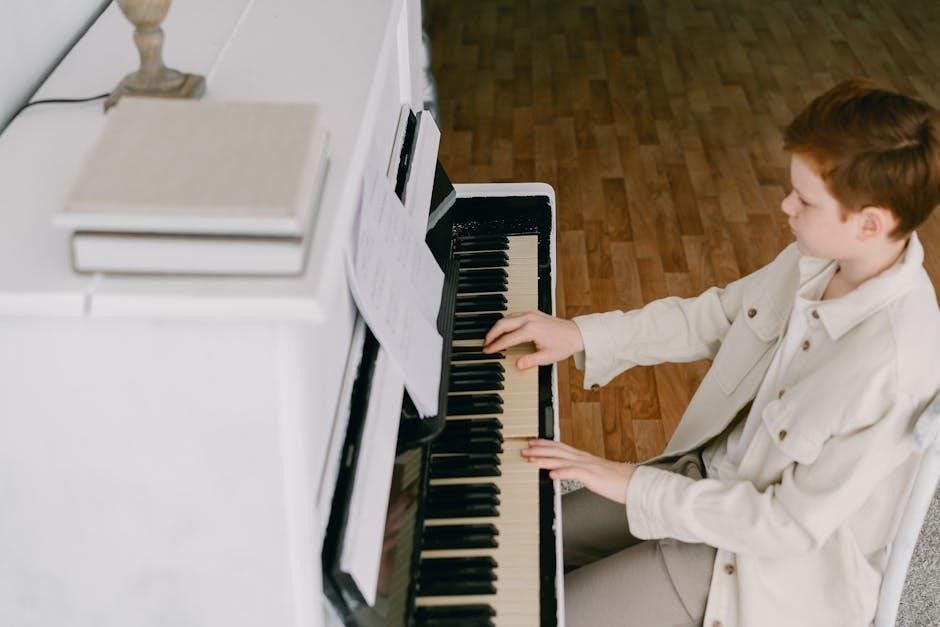
The rhythmic foundation of this composition is rooted in a compound meter‚ specifically 6/8 time. This signature creates a flowing‚ undulating feel that is essential for capturing the song’s melancholy yet hopeful spirit. Unlike a standard 4/4 pop beat‚ the 6/8 pulse groups six eighth notes into two main beats‚ giving the melody a swaying motion that feels natural and organic on the piano. When reviewing the PDF score‚ players will notice how the rhythmic groupings emphasize the first and fourth beats‚ providing a steady heartbeat beneath the floating melody. Regarding tempo‚ the piece is performed as a slow ballad. It requires a flexible approach‚ often incorporating rubato to allow the music to breathe. Maintaining a consistent pulse is important‚ yet the emotional weight of the song demands subtle accelerandos and ritardandos. This balance between a strict metronomic count and artistic freedom allows the pianist to convey the raw intimacy of the original studio recording while adapting the timing to suit their personal interpretative style and deep timing nuances during performance.
Key Signature and Chord Progressions
The harmonic framework of this legendary piece is primarily centered in the key of E minor‚ a tonality often associated with deep sorrow and introspection. When analyzing the digital notation‚ players will encounter a recurring progression that defines the song’s identity. The movement typically revolves around the tonic‚ shifting seamlessly toward C major and A minor before returning home. This specific sequence creates a sense of cyclical longing‚ mirroring the lyrical themes of devotion and trust. Additionally‚ the inclusion of G major and D major chords provides a necessary lift‚ introducing moments of brightness that contrast against the darker minor foundations. For pianists‚ understanding these harmonic shifts is crucial for proper voicing. By emphasizing the thirds and sevenths within these chords‚ one can evoke the rich‚ layered sound typical of the original production. The transition from the verse to the bridge introduces further complexity‚ utilizing chords that build tension before resolving back to the root‚ ensuring the emotional narrative remains compelling and musically coherent throughout the entire and complex musical performance.
Translating Guitar Arpeggios to Piano
Converting the iconic fingerpicked patterns of the guitar into a piano-friendly format requires a strategic approach to distribution across the keyboard. Because the guitar utilizes open strings and specific intervals‚ the pianist must redistribute these notes to avoid awkward hand stretches while maintaining the flowing nature of the melody. In a high-quality PDF score‚ these arpeggios are typically expanded‚ allowing the left hand to provide a deep bass foundation while the right hand executes the cascading notes. The challenge lies in mimicking the plucked quality of a string instrument using the percussive action of piano keys. To achieve this‚ the performer should focus on a light touch‚ ensuring that each note within the arpeggio remains distinct yet connected. Instead of playing dense blocks‚ the music is broken down into undulating waves of sound. By strategically placing the root notes and the higher melodic extensions‚ the pianist can replicate the original atmosphere‚ transforming a guitar-centric composition into a fluid and elegant piano arrangement that captures the essence of the original rock song.
Tips for Mastering the Song
Elevating your performance of this rock ballad requires a focused approach. By applying specific techniques and consistent practice‚ you will transform a basic digital score into a deeply moving and professional musical experience today.
Practicing the Intricate Intro
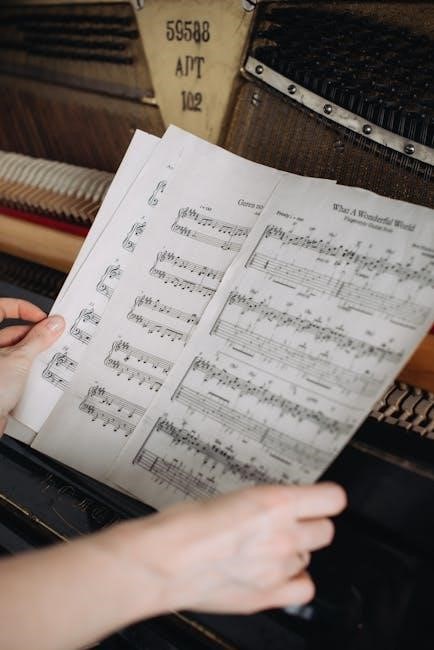
The opening sequence is the most recognizable part of the piece. To master it‚ start by isolating the right hand. Focus on the precise movement between the notes. Since the original was guitar-based‚ the keyboard adaptation requires careful fingering to maintain fluidity. Use a metronome to ensure the rhythmic pulse remains steady. Break the melody into small fragments. Play each measure five times perfectly before moving forward. Pay close attention to the grace notes or slight ornaments that add character. Once the right hand is automatic‚ introduce the left hand very slowly. Synchronize the bass notes with the melodic line. Avoid rushing the speed. The silence between notes is just as important as the tones themselves. If you struggle with the jumps‚ practice the distance without playing‚ just moving your hand. Consistency is key. By dedicating thirty minutes daily to just these first few bars‚ the complex pattern will eventually feel natural‚ allowing you to transition smoothly into the main body of the composition with total confidence and absolute musical precision.
Mastering Dynamic Expression and Phrasing
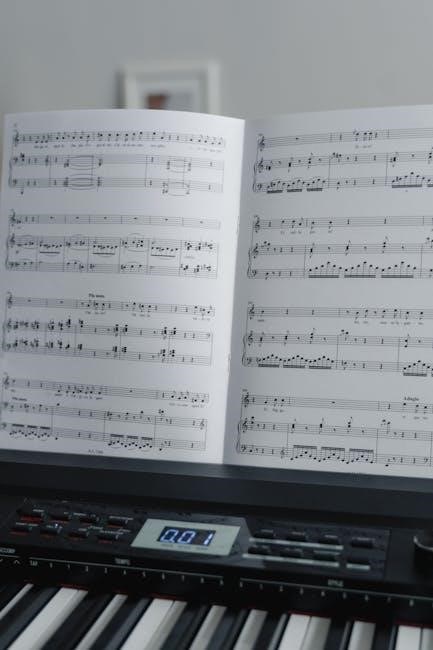
Dynamic expression transforms a mechanical performance into a living piece of art. To breathe life into this ballad‚ you must master the contrast between soft and loud passages. Start by identifying the emotional peaks of each phrase. The verses should be played with a gentle‚ intimate touch‚ almost like a whisper‚ to convey vulnerability. As the song builds toward the chorus‚ gradually increase the volume using a steady crescendo. This creates a sense of tension and anticipation. Phrasing is equally critical; think of the melody as a vocal line. Imagine where a singer would take a breath. Slight pauses and subtle delays in the melody can add a human quality to the digital precision of the piano. Avoid playing every note with the same intensity. Instead‚ highlight the strongest beat of each measure to guide the listener. By carefully shaping each musical sentence‚ you evoke the deep longing and passion inherent in the original composition‚ turning a simple set of notes into a powerful emotional journey for everyone to experience fully.
Integrating Pedal Work for a Sustained Sound
The sustain pedal is the secret weapon for achieving the atmospheric depth required for this piece. To replicate the ringing qualities of the original guitar recording‚ you must employ a legato technique enhanced by the damper pedal. The primary goal is to create a seamless wash of sound that connects the bass notes to the higher melodies without any audible gaps. However‚ the danger lies in over-pedaling‚ which leads to a muddy sonic texture where harmonies clash. To prevent this‚ practice precise pedal changes on every chord transition. Lift your foot entirely and depress it again exactly as you strike the new harmony. This “cleaning” process ensures clarity while maintaining a lush‚ sustained environment. Pay close attention to the resonance in the lower register‚ as too much sustain here can overwhelm the clear upper lines. By balancing the length of the sustain with the flow of the song‚ you create an ethereal backdrop that allows the poignant melody to float gracefully over a deep‚ supportive harmonic foundation throughout the entire performance.