Crimes of the Heart, a Pulitzer‑winning play, remains a favorite for its sharp wit, heartfelt drama, and relatable female voices․ Its PDF format allows students, directors, and actors to study dialogue, stage directions, and character arcs, making the work accessible worldwide․ Explore its timeless themes․
Why the Play Continues to Captivate Audiences
Crimes of the Heart endures because it marries sharp comedy with deep emotional truth, creating a theatrical experience that feels both immediate and timeless․ The play’s setting—a single, cluttered living room—serves as a microcosm of American family life, allowing audiences to see their own dynamics reflected in the characters’ banter and conflict․ The humor is rooted in everyday situations: a mother’s over‑enthusiastic cooking, a daughter’s awkward attempts at romance, a sister’s relentless pursuit of the perfect marriage․ These moments resonate because they are recognizably ordinary, yet the dialogue elevates them to something larger than life․ The script’s rhythm, with its rapid-fire exchanges and pauses, keeps viewers engaged while also giving space for genuine emotional beats․ Audiences are drawn to the authenticity of the characters’ voices, each speaking in a distinct, relatable manner that feels like hearing a friend or family member․ The play’s exploration of love, betrayal, and forgiveness speaks to universal human experiences, while its focus on female relationships offers a perspective often underrepresented on stage․ The emotional stakes are heightened by the fact that the characters’ choices have lasting consequences, making the audience feel a sense of shared responsibility․ Finally, the play’s accessibility—short scenes, clear stage directions, and a script that can be easily adapted—makes it a favorite for community theaters and academic productions alike, ensuring that new generations continue to discover its charm․ Its PDF format invites deeper study now․

Historical Context and Production History
Crimes of the Heart premiered in 1989 on Broadway quickly winning a Pulitzer․ Its witty, family‑centric narrative captured audiences, leading to tours across the U․S․, Europe, and Asia․ The play’s flexible staging has made it a staple for community theaters worldwide
From Broadway to International Stages
Since its 1989 Broadway debut, Crimes of the Heart has transcended cultural boundaries, finding resonance in diverse theatrical landscapes․ The play’s compact, single‑room setting and universal themes of family, love, and forgiveness have made it an attractive choice for regional theaters, university productions, and professional companies alike․ In the early 1990s, a touring company brought the script to the United Kingdom, where it received acclaim for its sharp dialogue and relatable characters․ The production’s success in London’s West End opened doors to further international runs, including performances in Australia, Canada, and several European countries․ Directors have adapted the staging to suit local contexts, sometimes shifting the setting from a suburban kitchen to a more contemporary living space, while preserving the core narrative․ The script’s availability in PDF format has facilitated these adaptations, allowing producers to access the original text, stage directions, and character notes without the constraints of a physical script․ This digital accessibility has been instrumental in sustaining the play’s global presence, enabling schools and community groups to stage productions with limited resources․ The continued popularity of Crimes of the Heart underscores its enduring relevance, as audiences worldwide appreciate the blend of humor and heart that defines the work․
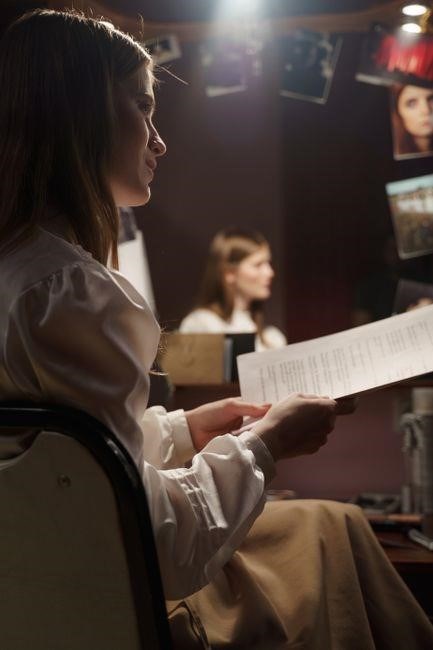
Moreover, the PDF format has democratized access, allowing educational institutions to incorporate the play into curricula and enabling amateur groups to rehearse without costly licensing fees․ The digital version also supports accessibility features such as screen readers, making the text available to visually impaired performers and scholars worldwide․ The play inspires new․

The Play’s Narrative Structure
Crimes of the Heart unfolds in three tightly woven acts, each set in the same kitchen, revealing decades of family secrets․ The narrative oscillates between past and present, using flashbacks to deepen character arcs while maintaining a single, intimate setting․ Its structure invites audiences witness family evolution․
Three Acts, Two Decades of Life in One Room
Crimes of the Heart is framed in three acts that unfold within a single, familiar kitchen, a setting that becomes a stage for the family’s evolving drama․ The first act introduces the matriarch, Elsie, and her daughters, Loretta and Mona, establishing the domestic rhythm and the tension that will ripple through the next twenty years․ The second act jumps forward, revealing the consequences of past choices, and the third act brings the narrative full circle, allowing characters to confront their histories and the truth that binds them․ Each act is marked by a distinct temporal shift, yet the same walls echo the same laughter and grief, creating a sense of continuity that underscores the play’s exploration of memory, identity, and the enduring bonds of family․ The structure’s economy—one room, three acts, two decades—provides a tight, focused canvas that invites audiences to witness the characters’ growth and the subtle shifts in their relationships․ The narrative’s reliance on dialogue and stage directions, carefully preserved in the PDF, allows directors to experiment with pacing and lighting while maintaining the integrity of the original script․ This concise yet powerful arrangement has made the play a favorite for regional theaters and academic study alike, as it offers both a manageable production and a rich text for analysis․
With its concise yet potent script, the play invites directors to explore dynamics, while audiences find resonance in its depiction of ordinary struggles․ The PDF format preserves every stage cue, allowing reproductions across productions very worldwide !

Key Characters and Their Development
Elsie, Loretta, and Mona anchor the story, each evolving through secrets, ambition, and love․ The PDF reveals nuanced dialogue, allowing actors to trace growth from naive to self‑aware, while directors can highlight their distinct arcs in a compact, powerful script․ Their arcs intertwine, revealing secrets so!․
Elsie, Loretta, and Mona: A Triad of Strong Women
Elsie, the matriarch balances ambition with vulnerability, her voice echoing the weight of family legacy․ Loretta, the rebellious daughter, challenges expectations, seeking autonomy while wrestling with inherited trauma; Mona, the enigmatic sister, embodies resilience, using humor to mask deeper scars․ Together, they form a dynamic triangle that reflects generational conflict and solidarity․ Their interactions reveal how each woman navigates love, betrayal, and redemption․ The PDF provides rich dialogue that allows performers to explore subtle shifts in tone, revealing layers of complexity in each character․ Directors can use the script’s stage directions to emphasize the evolving relationships, while actors can highlight the emotional beats that define this trio․ The play’s structure, with its three acts, mirrors the progression of these women’s journeys, from denial to acceptance․ By studying the PDF, one can trace how Elsie’s pragmatism, Loretta’s idealism, and Mona’s cynicism converge to create a compelling narrative that resonates with audiences worldwide․ The triad’s strength lies in their authenticity, making the story timeless and relatable․
In addition, the PDF’s layout highlights stage cues, lighting notes, and costume suggestions, enabling directors to visualize the setting and actors to embody the period’s atmosphere․ Scholars often cite the script as a primary source for studying gender dynamics in late twentieth‑century American theater․ Its detailed annotations aid in rehearsal planning

Acquiring ‘Crimes of the Heart’ Play PDFs
To obtain a Crimes of the Heart PDF, check reputable online libraries, university repositories, or authorized digital platforms․ Ensure the source respects copyright laws and offers legitimate licensing․ Always verify the file’s authenticity before downloading or sharing․ Download responsibly․ and share․ now! Enjoy!
Legal Sources and Copyright Considerations
When seeking a Crimes of the Heart PDF, the first step is to locate a source that holds the legal right to distribute the text․ Publishers such as Samuel French, Dramatists Play Service, and the original author’s estate typically hold exclusive licensing agreements․ These companies offer digital downloads through their own platforms, ensuring that the file is both authentic and compliant with copyright law․ For those who prefer open‑access options, the public‑domain status of the play is not yet applicable; the work remains under copyright, so any free distribution without permission is illegal․ Therefore, it is essential to verify that the PDF was obtained from a source that has secured the necessary permissions․ If you are a director or actor planning a production, you must also acquire a performance license from the rights holder․ This license covers the use of the script on stage, in rehearsals, and for any recordings․ Some publishers bundle performance rights with the PDF purchase, while others require a separate fee․ Always read the terms of service and licensing agreements carefully before downloading or sharing the file․ Failure to do so can result in legal penalties, including fines and injunctions that halt the production․ By adhering to these legal guidelines, you preserve the integrity of the work, support the creators, and avoid potential copyright infringement issues․ In summary, always use reputable, licensed sources for obtaining a Crimes of the Heart PDF if you intend to stage the play

Using the PDF for Study and Performance
Students and directors can annotate the Crimes of the Heart PDF, highlight key scenes, and share notes via cloud tools․ Digital scripts enable rehearsal pacing, character analysis, and quick reference for blocking, ensuring a polished production․ Add notes Use!
Annotating, Highlighting, and Sharing on Stage
In a digital rehearsal, the Crimes of the Heart PDF becomes a collaborative canvas․ Actors can use annotation tools to mark emotional beats, stage directions, and subtext, turning the script into an interactive study guide․ Directors overlay color‑coded notes—green for blocking, blue for lighting cues—to streamline communication․
Highlighting key monologues in yellow or pink draws attention to pivotal moments, while sticky‑note comments allow quick feedback from the creative team․ Students can export annotated PDFs, preserving their insights for future productions or academic projects․ This shared digital layer keeps everyone aligned, reducing rehearsal time and fostering deeper character exploration․
When the script is printed for the stage, the annotations can be printed on transparent overlays or embedded in the printed pages․ This hybrid approach ensures that the core text remains legible while still providing the rich, collaborative insights that digital rehearsal builds․ The result is a cohesive, well‑understood production that honors the playwright’s intent while embracing modern technology․
By integrating the PDF into rehearsal software, directors can create a shared digital environment where actors receive real‑time updates, adjust blocking, and refine emotional beats․ This dynamic workflow reduces the need for multiple script copies, streamlines communication, and fosters a collab creative process that honors the playwright’s vision while adapting to modern now production demands․

The Future of the Play and Its Digital Presence
Digital archives keep Crimes of the Heart alive, offering scholars and performers worldwide instant access․ By preserving PDFs and integrating them into online platforms, the play’s legacy thrives, ensuring new generations can study, adapt, and celebrate its timeless humor and heart for future audiences now․
Preserving the Legacy Through Accessible Formats

Digital preservation of classic plays relies on reliable, accessible formats․ The Crimes of the Heart PDF offers a searchable, universally readable document that keeps the playwright’s wit, dialogue, and character nuances intact for scholars and performers․
PDFs maintain original layout, ensuring stage directions and formatting cues appear exactly as intended, which is vital for accurate staging and interpretation across productions․
Searchable text lets researchers quickly locate lines, themes, or character developments, facilitating deeper analysis and enriching academic discourse․
Annotations and highlighting within PDFs allow directors and actors to mark blocking and track character development in real time․ This synergy between technology and tradition keeps each production fresh while honoring the original text․

Licensed PDFs from authorized channels respect copyright while providing broad accessibility, supporting creators and maintaining ethical standards in the digital age․
Archiving PDFs in institutional repositories guarantees long‑term preservation, allowing future generations to study and enjoy the play as technology evolves․
The transition from print to digital has democratized access, enabling community theaters and academic institutions to explore the play without physical copies․ By integrating the PDF into rehearsal software, directors can overlay stage notes and track character development in real time․ This synergy between technology and tradition keeps each production fresh while honoring the original text for all audiences now