Kenetrek Desert Guide Boots: A Comprehensive Overview (April 21, 2026)
Today’s date is April 21, 2026. This detailed guide explores the Kenetrek Desert Guide boots, offering a complete analysis for hikers seeking reliable footwear solutions.
Understanding bank reconciliation is crucial; it ensures accuracy, prevents fraud, and streamlines finances, mirroring the precision needed in selecting durable hiking boots.
Monthly reconciliations, like choosing the right boot, don’t need to be time-consuming, with step-by-step guides available for both financial and gear assessments.
Mastering bank reconciliation—matching books to statements—parallels finding the perfect boot fit, verifying balances and catching errors before they compound significantly.
This overview, updated for April 2026, provides a comprehensive look at the Kenetrek Desert Guide, just as current guides detail bank reconciliation best practices.
The Kenetrek Desert Guide boot stands as a prominent choice for adventurers navigating arid landscapes, gaining recognition for its robust construction and performance. Released to address the demands of challenging terrain, these boots quickly established a reputation among hunters, hikers, and outdoor professionals.
Like meticulous financial reconciliation – ensuring every transaction is accounted for – the Desert Guide is engineered for precision and reliability. Just as a thorough bank statement review reveals discrepancies, these boots are designed to withstand the rigors of extended use in harsh conditions.
The boot’s development focused on providing exceptional ankle support, crucial for traversing uneven ground, and durable materials capable of resisting abrasion. This mirrors the importance of accurate record-keeping, preventing financial “abrasion” from unnoticed errors. The Kenetrek Desert Guide isn’t merely footwear; it’s a commitment to stability and endurance, much like a well-managed financial system.
Understanding its features is key to appreciating its value.
What Makes the Desert Guide Unique?
The Kenetrek Desert Guide distinguishes itself through a unique blend of traditional boot-making techniques and modern material science. Unlike many competitors, Kenetrek prioritizes full-grain leather construction, offering unparalleled durability and resistance to the elements – a steadfast quality akin to a consistently balanced bank reconciliation.
Its defining feature is the aggressive Vibram outsole, providing exceptional traction on varied desert surfaces, mirroring the precision needed to identify and correct financial discrepancies. The boot’s robust construction extends to its reinforced toe cap and heel counter, offering superior protection.
Furthermore, the Desert Guide boasts a unique nylon midsole, delivering optimal support and shock absorption. This focus on comfort, combined with its rugged build, sets it apart. Just as a detailed reconciliation statement reveals the complete financial picture, the Desert Guide offers a comprehensive package of performance and protection, making it a standout choice for serious adventurers.
Design and Construction
Kenetrek Desert Guide boots showcase meticulous craftsmanship, utilizing premium materials and robust construction techniques for lasting performance and unwavering reliability in harsh terrains.
Upper Material and Durability
The Kenetrek Desert Guide boots boast a full-grain leather upper, renowned for its exceptional durability and resistance to abrasion – crucial for navigating challenging desert landscapes. This high-quality leather isn’t merely tough; it also molds to the foot over time, providing a personalized and increasingly comfortable fit with each trek.
Unlike synthetic materials, full-grain leather retains its structural integrity even after prolonged exposure to the elements, resisting cracking and tearing. The boots are constructed with double-stitched seams, further reinforcing key stress points and extending the lifespan of the footwear. This attention to detail ensures the Desert Guide can withstand the rigors of extended backcountry use.
Furthermore, the leather is treated to offer a degree of water resistance, protecting feet from unexpected moisture encounters. While not fully waterproof, this treatment delays saturation, keeping feet drier for longer periods. The robust upper construction, combined with quality leather, makes these boots a long-term investment for serious hikers.
Midsole Technology & Support
The Kenetrek Desert Guide utilizes a multi-density midsole system designed to provide exceptional support and cushioning, even when carrying heavy loads across uneven terrain. This isn’t a single layer of foam; instead, it’s a carefully engineered combination of materials with varying densities.
A firmer density midsole component supports the arch and provides torsional rigidity, preventing unwanted twisting and promoting stability. This is particularly important in desert environments where ankle rolls are a significant risk. Softer density foam is strategically placed in the heel and forefoot to absorb impact and reduce fatigue during long-distance hikes.
The midsole also incorporates a full-length, molded EVA insole, adding an extra layer of comfort and shock absorption. This combination of technologies works synergistically to deliver all-day comfort and support, minimizing strain on the feet, ankles, and knees, allowing hikers to confidently tackle challenging trails.
Outsole Design for Desert Terrain
The Kenetrek Desert Guide’s outsole is a critical component, specifically engineered to excel in the demanding conditions of desert environments. It features a Vibram® outsole, renowned for its durability and exceptional grip on varied surfaces – from slickrock to loose gravel.
The lug pattern is aggressive yet versatile, providing confident traction on both uphill and downhill sections. Deep lugs bite into soft sand and loose dirt, while strategically placed wider lugs enhance stability on rocky terrain. The rubber compound is formulated to resist abrasion and maintain its grip even when exposed to high temperatures and prolonged sun exposure.

Furthermore, the outsole incorporates a broad contact area, maximizing surface contact and enhancing stability. This design minimizes the risk of slips and falls, crucial when navigating challenging desert landscapes. The overall construction prioritizes durability and reliable performance, ensuring the boots can withstand the rigors of extended desert expeditions.
Boot Height and Ankle Support
The Kenetrek Desert Guide boasts a carefully considered boot height, striking a balance between ankle support and freedom of movement. Typically extending approximately 8-10 inches from the sole, this height provides substantial protection against rolling ankles, a common concern on uneven desert terrain.
The boot’s construction incorporates a robust, yet comfortably padded collar that cradles the ankle, enhancing stability and reducing fatigue during long hikes. This design is particularly beneficial when carrying a heavy pack, as it minimizes strain on the ankle joint.
Reinforced ankle zones further contribute to support, offering resistance to lateral twisting and impacts. While providing excellent support, the boot’s design doesn’t overly restrict mobility, allowing for a natural range of motion. This thoughtful balance ensures both protection and agility on challenging desert trails.
Performance Characteristics
Kenetrek Desert Guide boots excel in traction, water resistance, comfort, and weight, mirroring the need for accurate financial records through reconciliation processes.
Traction on Varied Desert Surfaces
The Kenetrek Desert Guide’s outsole is specifically engineered to provide exceptional grip on the diverse and often challenging terrains found in desert environments. This isn’t merely about preventing slips; it’s about fostering confidence with each step, much like a meticulously reconciled bank statement instills financial confidence.
The aggressive lug pattern digs into loose gravel, sandy washes, and rocky inclines, offering reliable stability. Users consistently report superior performance compared to boots with less specialized outsoles. This traction is vital for navigating unpredictable surfaces, minimizing the risk of falls, and conserving energy during long hikes.
Just as a thorough bank reconciliation identifies discrepancies, the outsole’s design proactively addresses the challenges of desert footing. The rubber compound used is formulated for durability and resistance to abrasion, ensuring long-lasting performance even with frequent use on harsh surfaces. This translates to fewer concerns about wear and tear, allowing hikers to focus on the journey ahead.
Water Resistance and Breathability
The Kenetrek Desert Guide balances water resistance with crucial breathability, a design philosophy mirroring the need for financial transparency – revealing all aspects clearly. While deserts are known for aridity, unexpected flash floods or morning dew can quickly soak footwear. The boot’s construction incorporates waterproof membranes to shield feet from moisture, preventing discomfort and blisters.
However, unlike fully waterproof boots, the Desert Guide prioritizes breathability to manage internal moisture buildup from perspiration. This is achieved through carefully selected materials and a design that promotes airflow. Maintaining a dry foot environment is paramount for preventing fungal infections and ensuring all-day comfort, much like accurate financial records prevent costly errors.
This balance ensures feet stay dry and comfortable even during strenuous activity in warm conditions. The boot’s ability to wick away moisture enhances overall performance and reduces the risk of foot-related issues, allowing hikers to focus on enjoying the desert landscape.
Comfort for Long-Distance Hiking
The Kenetrek Desert Guide excels in providing sustained comfort crucial for extended desert treks, akin to the consistent accuracy demanded in monthly bank reconciliations. Long-distance hiking necessitates a boot that minimizes fatigue and prevents blisters, and this model delivers. Its design incorporates substantial cushioning in the midsole and around the ankle, absorbing impact and reducing stress on joints.
The boot’s interior is lined with materials chosen for their soft feel and ability to reduce friction. A well-fitting boot, like a balanced financial statement, is essential. The contoured footbed provides arch support, further enhancing comfort and stability on uneven terrain. This thoughtful construction minimizes foot movement within the boot, preventing hotspots and blisters.
Hikers consistently report the Desert Guide’s ability to maintain comfort even after miles of challenging hiking, allowing for focused enjoyment of the desert environment.
Weight and Packability
The Kenetrek Desert Guide strikes a balance between robust construction and manageable weight, a consideration as important as accurate monthly account reconciliations for efficient operations. While not the lightest boot on the market, its durability justifies the added ounces. The boot’s weight contributes to its stability and support, crucial for navigating challenging desert landscapes.
Packability is also a factor for long-distance hikers. The Desert Guide’s relatively compact profile, despite its sturdy build, allows it to be reasonably packed within a backpack without consuming excessive space. This is aided by its streamlined design and lack of bulky external features.
Compared to some ultra-lightweight options, the Kenetrek prioritizes durability and support over minimal weight, making it a practical choice for demanding expeditions.

Sizing and Fit
Achieving the correct fit with Kenetrek Desert Guide boots is paramount for comfort and performance, much like accurate bank reconciliation ensures financial health.
Consulting the Kenetrek sizing guide is essential, alongside considering available width options for a personalized, secure feel during extended hikes.
Expect a moderate break-in period to fully conform the boot to your foot, mirroring the time needed to master reconciliation processes;
Kenetrek Sizing Guide
Navigating the Kenetrek sizing chart is the first crucial step towards ensuring a comfortable and functional fit with the Desert Guide boots. Kenetrek sizing generally runs true to length, but it’s highly recommended to measure your feet accurately, ideally in the afternoon when feet are at their largest.
Trace your foot on a piece of paper and measure the length from heel to the longest toe. Compare this measurement to Kenetrek’s official size chart, available on their website and through authorized retailers. Remember to account for sock thickness – hiking socks will add to your overall foot volume.
Consider that the Desert Guide boots are designed for rugged terrain and require sufficient toe box space to prevent discomfort during descents. Don’t simply rely on your usual shoe size; precise measurement is key. Furthermore, understanding your foot’s width is equally important, as Kenetrek offers various width options to accommodate different foot shapes, ensuring a secure and blister-free experience.
Width Options Available
Kenetrek recognizes that not all feet are created equal, and the Desert Guide boots reflect this understanding by offering a range of width options to cater to diverse foot shapes. Beyond standard widths, Kenetrek provides options like Narrow (2E), Medium (3E), Wide (4E), and Extra Wide (5E), ensuring a customized fit for optimal comfort and performance.
Determining your correct width is as important as finding the right length. Individuals with wider forefeet or those who experience discomfort across the ball of their foot will benefit from exploring the wider width options. Conversely, those with narrower feet should consider the Narrow width to prevent excessive movement within the boot.
Proper width selection minimizes the risk of blisters, hotspots, and overall foot fatigue, especially during long-distance hikes. Consulting Kenetrek’s sizing guide and, if possible, trying on boots with different widths is highly recommended to achieve the perfect fit.
Break-In Period
While Kenetrek Desert Guide boots are renowned for their durability and support, a break-in period is generally recommended to maximize comfort and prevent blisters. The full-grain leather construction, while exceptionally robust, requires some initial softening to conform to the unique contours of your feet.
Expect approximately 30-50 miles of hiking for a complete break-in, though this can vary based on individual foot shape and hiking frequency. Start with shorter hikes and gradually increase the distance to allow the leather to mold to your feet. Wearing appropriate hiking socks during the break-in process is crucial.
Applying a leather conditioner can aid in softening the leather and accelerating the break-in process. Addressing any initial pressure points or discomfort promptly with blister prevention measures will ensure a more enjoyable experience. Patience during this phase will reward you with a supremely comfortable and reliable boot.
Comparison with Competitors
Evaluating the Kenetrek Desert Guide against brands like Lowa, Salomon, and Crispi reveals distinct advantages in durability and support, mirroring careful financial comparisons.
Just as bank reconciliation identifies discrepancies, this analysis highlights the Kenetrek’s unique features, ensuring informed decisions for both finances and footwear.
Comparing these boots is like reconciling accounts—identifying strengths and weaknesses to determine the best value, much like choosing the right financial strategy.
Kenetrek vs. Lowa
Comparing Kenetrek and Lowa boots reveals key differences appealing to distinct hiking preferences. Lowa generally emphasizes lighter weight and a more streamlined design, often favored by hikers prioritizing speed and agility on less demanding terrain. However, this often translates to reduced durability compared to the robust construction of the Kenetrek Desert Guide.
The Kenetrek excels in rugged environments, boasting a full-grain leather upper and a significantly stiffer midsole, providing superior ankle support and protection – crucial for navigating challenging desert landscapes and heavier loads. While Lowa boots offer excellent comfort for day hikes, the Kenetrek prioritizes long-term durability and stability, akin to a meticulous bank reconciliation ensuring long-term financial health.
Lowa’s Vibram soles are renowned, but the Kenetrek’s aggressive lug pattern often provides superior traction on loose gravel and rocky surfaces. Ultimately, the choice depends on individual needs; Lowa suits faster, lighter hikes, while Kenetrek dominates demanding, extended expeditions.
Kenetrek vs. Salomon
Contrasting Kenetrek with Salomon highlights a fundamental difference in boot philosophy. Salomon typically focuses on lightweight, athletic-style hiking boots designed for speed and agility, often utilizing synthetic materials and innovative lacing systems. These are excellent for trail running and fastpacking, but fall short in the durability department when compared to the Kenetrek Desert Guide.
The Kenetrek prioritizes ruggedness and support, employing full-grain leather and a traditional, robust construction. While Salomon boots excel in breathability, the Kenetrek offers superior protection against abrasion and the elements, vital in harsh desert conditions. Like a thorough bank reconciliation identifying discrepancies, Kenetrek boots reveal their value through long-term reliability.
Salomon’s Quicklace system is convenient, but lacks the adjustability and security of Kenetrek’s lacing. For extended backpacking trips or challenging terrain, the Kenetrek’s stability and durability are paramount, making it a more dependable choice.
Kenetrek vs. Crispi
Comparing Kenetrek to Crispi reveals a nuanced competition within the high-end hunting and hiking boot market. Crispi, like Salomon, often emphasizes a blend of weight savings and performance, utilizing advanced materials and construction techniques. They frequently incorporate waterproof membranes and focus on a comfortable, out-of-the-box fit.
However, the Kenetrek Desert Guide distinguishes itself through its unwavering commitment to durability and support. While Crispi boots are well-made, they may not possess the same level of ruggedness as the Kenetrek, particularly in demanding desert environments. Similar to meticulously reconciling accounts, Kenetrek prioritizes a solid, dependable foundation.
Crispi often features more refined aesthetics, appealing to hikers seeking a stylish boot. The Kenetrek, conversely, prioritizes function over form, offering a workhorse boot built to withstand abuse. For those prioritizing longevity and unwavering performance, the Kenetrek Desert Guide remains a superior option.

Maintenance and Care
Regular cleaning and conditioning are vital for Kenetrek Desert Guide longevity, mirroring the importance of consistent bank reconciliation for financial health.
Proper storage, like accurate record-keeping, prevents damage and extends the boot’s lifespan, ensuring continued performance on challenging desert trails.
Repair options, when needed, maintain the boot’s integrity, similar to correcting errors in financial statements to uphold accuracy and reliability.
Cleaning and Conditioning
Maintaining the Kenetrek Desert Guide’s leather requires consistent care. After each hike, remove loose dirt and debris with a soft brush – much like reconciling transactions in a bank statement, addressing small issues prevents larger problems.
For deeper cleaning, use a leather-specific cleaner and lukewarm water; avoid harsh soaps that can strip natural oils. This parallels the careful matching of records during reconciliation.
Once clean, allow the boots to air dry naturally, away from direct heat. Never use a hairdryer or place them near a radiator.
Conditioning is crucial to prevent cracking and maintain suppleness. Apply a quality leather conditioner regularly, following the product instructions. This restores essential oils lost during cleaning, similar to verifying balances.
Pay particular attention to the seams and areas prone to flexing. Consistent conditioning, like diligent bank reconciliation, safeguards against long-term wear and tear, ensuring your boots remain reliable for years to come.
Storage Recommendations
Proper storage significantly extends the life of your Kenetrek Desert Guide boots. When not in use, store them in a cool, dry, and well-ventilated area, away from direct sunlight and extreme temperatures – akin to securely archiving reconciled financial records.
Avoid storing them in plastic bags, as this can trap moisture and promote mildew. Instead, use breathable boot bags or allow them to air out completely before storage.
Consider using boot trees to help maintain their shape and prevent creasing. This is especially important during extended periods of inactivity.
If storing for a prolonged time, lightly condition the leather before packing them away. This prevents the leather from drying out and cracking, mirroring the importance of regular financial reviews.
Storing your boots correctly, like meticulous record-keeping, ensures they’re ready for your next adventure, preserving their quality and performance for years to come.
Repair Options
Kenetrek Desert Guide boots are built for durability, but repairs may become necessary over time. For minor issues like broken laces or loose stitching, simple DIY repairs can often suffice, much like correcting small discrepancies in a bank reconciliation.
However, for more significant damage – such as sole separation or leather tears – professional repair is recommended. Kenetrek offers a resoling service, extending the boot’s lifespan considerably.
Numerous reputable boot repair shops specialize in outdoor footwear. Seek out those with experience working with high-quality leather boots.
Before sending your boots for repair, thoroughly clean them and document the damage with photos. This aids the repair technician in assessing the necessary work.
Investing in professional repairs, similar to seeking expert financial advice, can save you money in the long run by avoiding the cost of replacement.

User Reviews and Common Feedback
Analyzing user experiences reveals consistent praise for durability and support. Common themes include comfort on long hikes, mirroring the peace of mind from accurate financial reconciliation.
Positive Reviews & Highlights
Numerous users consistently highlight the exceptional durability of the Kenetrek Desert Guide boots, frequently mentioning their ability to withstand harsh desert conditions without significant wear and tear. Many reviewers specifically praise the robust construction and high-quality materials, noting a confidence-inspiring feel during extended treks.
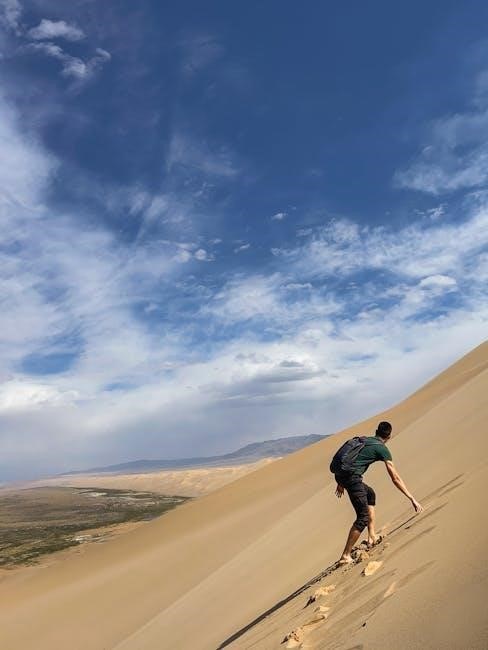
Comfort is another frequently cited benefit, with hikers reporting minimal break-in time and excellent support for long-distance journeys. The boots’ ability to maintain comfort even after hours on challenging terrain is a recurring theme in positive feedback.
Several users emphasize the superior ankle support provided by the boot’s design, contributing to stability and reducing the risk of injury on uneven surfaces. This feature is particularly appreciated by those carrying heavy packs. The overall consensus points to a reliable, comfortable, and exceptionally durable boot well-suited for demanding desert environments.
Common Complaints & Concerns
Despite overwhelmingly positive reviews, some users express concerns regarding the initial stiffness of the Kenetrek Desert Guide boots. A small percentage report a significant break-in period, experiencing discomfort and blisters during the first few hikes. While durability is praised, this initial discomfort is a recurring theme.
Another common complaint centers around the boot’s weight; several reviewers note they are heavier than other comparable hiking boots, which can be fatiguing on longer treks. This is often attributed to the robust construction and durable materials.
A few users have also mentioned limited breathability in extremely hot conditions, leading to warmer feet. While generally considered adequate, some suggest exploring alternative sock options for optimal comfort in intense heat. These concerns, while present, are often outweighed by the boot’s overall performance and durability.
Overall User Satisfaction
The Kenetrek Desert Guide consistently receives high marks for its exceptional durability and performance in challenging desert environments. A vast majority of users report long-term satisfaction, praising the boot’s ability to withstand rugged terrain and harsh conditions. Positive feedback frequently highlights the superior ankle support and reliable traction.
Many reviewers emphasize the boots’ value for money, considering the robust construction and longevity. Despite some initial break-in concerns, most users find the comfort improves significantly with wear. The boots are frequently recommended for experienced hikers and hunters requiring dependable footwear.
Overall, the Kenetrek Desert Guide enjoys a strong reputation within the outdoor community, with a clear consensus that it delivers on its promise of rugged performance and lasting quality;